
Beyond Childcare How Nursery School Boosts Early Social Skills


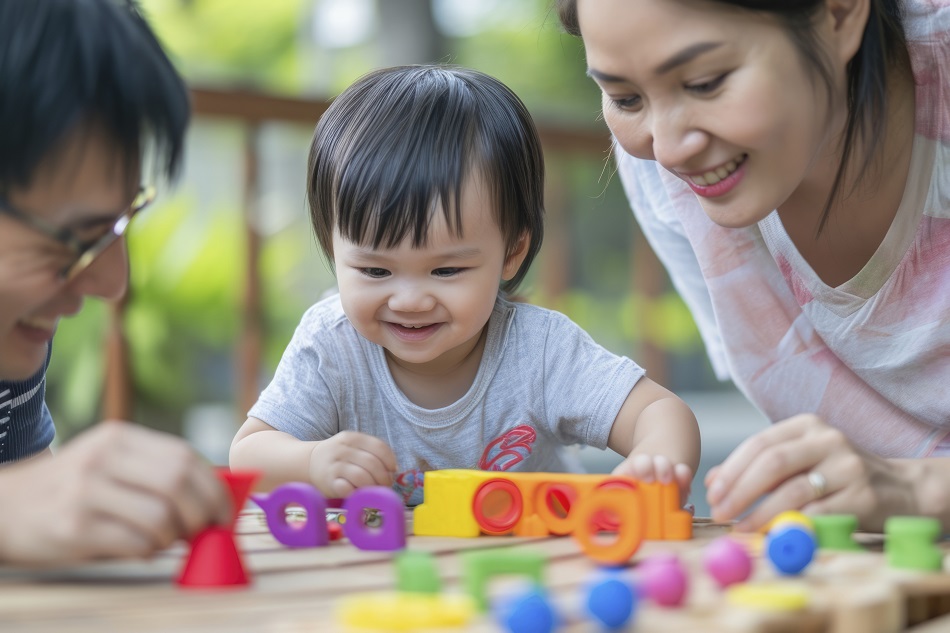
Choosing to send a child to nursery school is usually the first big step made by families outside of the home and into an institution. Although at first, many parents see these institutions as a practical solution for getting their kids out of the house during work hours, the developmental benefits of a nursery school go beyond mere supervision. Such early educational environments are a key testing ground for societal interaction and give children the foundations they need to handle complex human relationships before entering primary education.
Developing empathy and cooperation
At a nursery school, in a controlled environment, kids are constantly surrounded by other children who come from background, personality and need different from their own. This would require the cultivation of empathy. A nursery school also demands that children to become aware of other people’s feelings, which is unlike the home where they might be receiving all the attention. Activities such as team games teach children the very basics of collaboration. They start to realize that in order for a common goal (e.g., building a block tower, completing a puzzle) to be achieved, listening to others and adding your own effort in unison is critical.
The art of conflict resolution
Conflict is a natural stage of how humans are dealing with things as social beings and a nursery school setup will be able to prepare children for resolving conflict safely. It may involve a dispute over a popular toy or just which game to play, but those are teaching moments. With gentle guidance from trained educators, children are taught to talk through their frustrations instead of reactively acting out. Through this process, they learn to negotiate and compromise two key parts of emotional intelligence. (Picking up how to deal with these micro-social issues at a young age sets the stage for resiliency and social competence.
Communication and language expansion
A nursery school setting is inherently language-rich and communication-based. Ongoing conversations between peers and with teachers motivate children to extend their vocabulary and improve their speaking skills. Even before learning words, kids watch the subtle ways their parents interact, like body language, eye contact and tone of voice. The requirement to express needs, ask questions and tell stories to a broader audience drives a child to communicate more clearly and confidently. The improvement in communication skills is causally correlated to higher amounts of social ease later in life.
Building independence and self-regulation
Transitions within a nursery school day, like moving from playtime to mealtime or cleaning up after an activity, are ways teachers help children understand the value of routine and self-regulation. Entering a nursery school community instills belongingness and sense of responsibility. Young children learn how to follow basic directives and honor the boundaries of a common space. Their structural independence enables them to self-regulate their behavior and emotions with respect to the group. Becoming aware of social cues and classroom norms helps children develop a sense of autonomy that prepares them for the increasingly demanding social and academic requirements of future schooling.
Building social foundations early on for lasting impact
The social skills developed in a nursery school are not transient milestones, but assets for life. Early social learning opportunities can leave children feeling more confident in their interactions with strangers, and provide them a better grasp on the complexity of social situations. As a nursery school focuses more on the fact that interaction can, and should be, as important as play, those very first steps into the wider world are reinforced by an awareness of how to engage with others.